The short answer
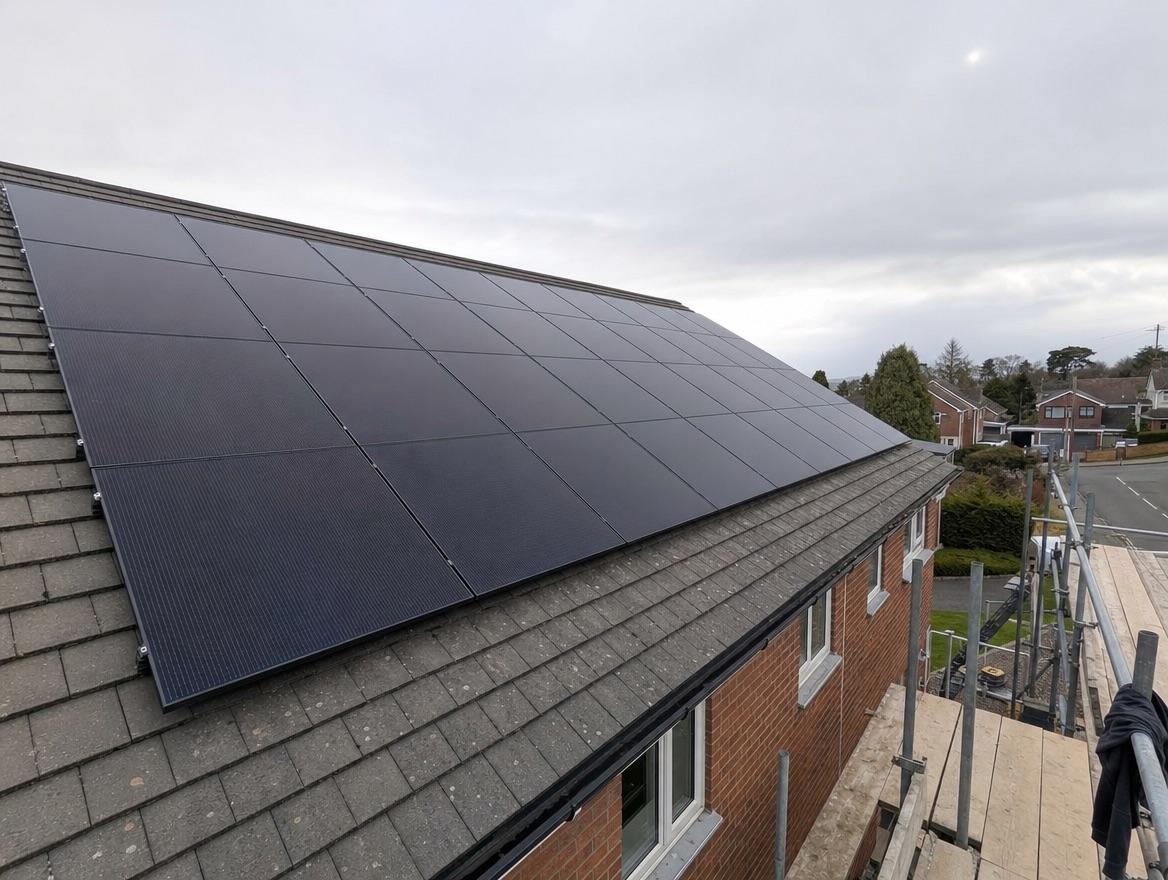
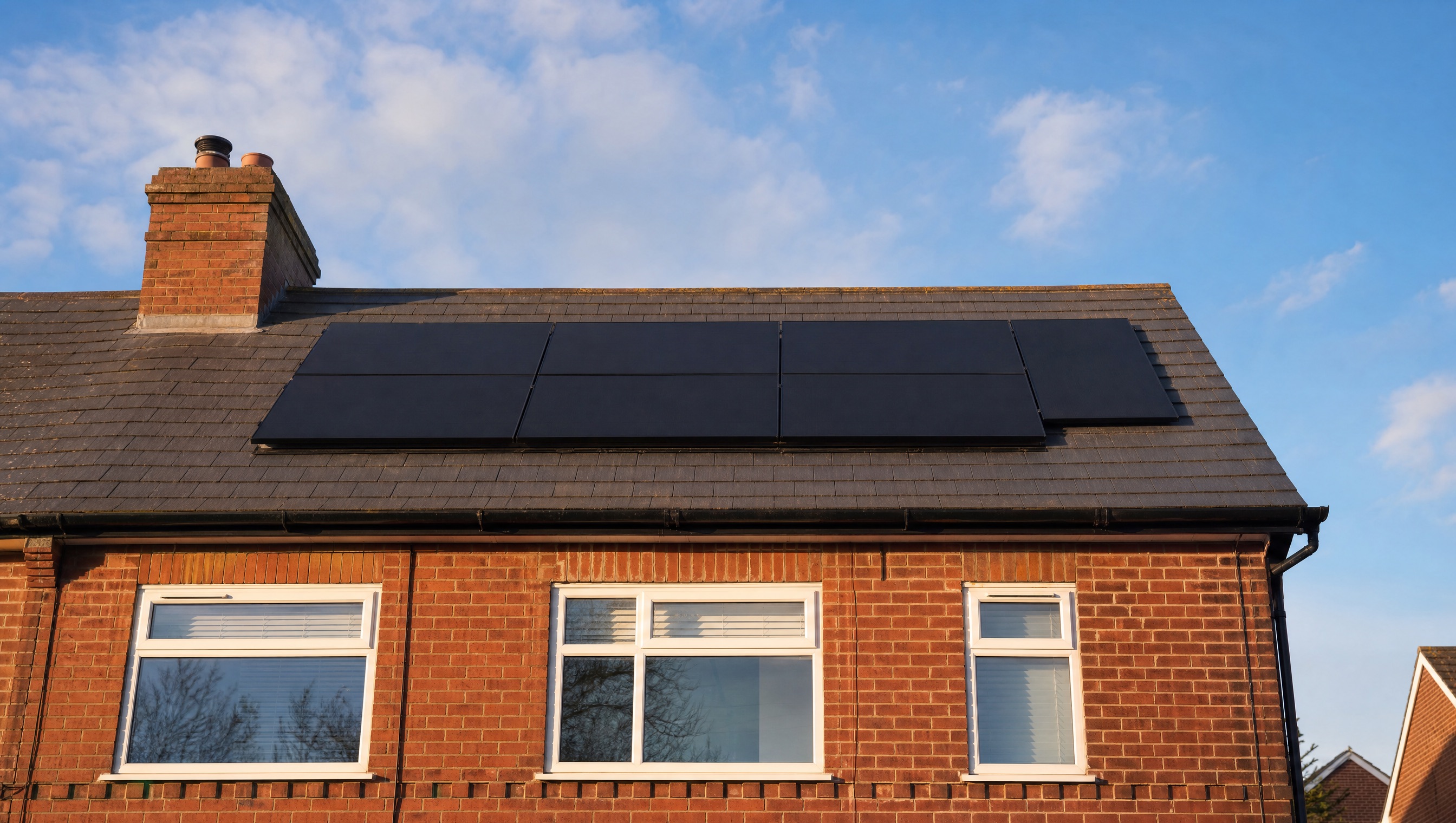
Solar panels work all year in the UK, including on cloudy days, though they make much less in winter than in summer. Most home installs don’t need planning permission, the panels need very little looking after, and they should last 25 years or more. The two catches: panels don’t power your home in a power cut unless you have a battery set up for backup, and without a battery you sell much of your midday surplus for less than you pay to buy electricity back.
These are the questions we’re asked most, and a few myths that put people off. Where there’s a fact to check, our answers come from official UK sources.
Do solar panels work in winter?
Yes, but they make less. The Energy Saving Trust puts it simply: in winter the days are shorter, it’s more likely to be cloudy and the sunlight is less intense, so you generate less than in summer. MCS says the same: panels work on cloudy days and during the winter.
So a solar system does most of its work from spring to autumn. In winter the panels still help in the middle of the day, and a battery can charge on a cheap overnight rate to cover the evening. See the best tariffs for solar and batteries.
Do solar panels work on cloudy days, or do they need direct sun?
They work on cloudy days, and they don’t need direct sun. Panels work best in bright sunshine, but the Energy Saving Trust explains that they also absorb light that passes through cloud, so they keep generating on dull days, just less.
The North West does get a little less sun than the south, and you can see it in the Energy Saving Trust’s payback estimates: around 10 to 11 years for a typical system in Manchester, against 9 in London (with export payments, at July 2026 energy prices). That’s a year or two, not a reason to rule solar out.
Do solar panels work on a north-facing roof, or east and west?
An unshaded, south-facing roof is ideal. East- or west-facing roofs still work: the Energy Saving Trust says they tend to get around 15 to 20% less energy than a roof facing due south. Its advice is not to put panels on a north-facing roof.
East and west together isn’t bad news: panels on both sides spread generation across the morning and evening, which can suit a busy household. Our designer models your actual roof, direction and pitch in OpenSolar, so you see the forecast for your home, not a rule of thumb. If your only free roof faces north, we’ll tell you honestly whether it’s worth it.
Do I need planning permission for solar panels?
Usually not. In England, panels on a house are normally “permitted development”, so you don’t need to apply, as long as you stay within some limits. According to the Planning Portal:
- On a pitched roof, panels can’t sit higher than the highest part of the roof (chimneys aside) or stick out more than 200 mm from the roof slope.
- Listed buildings are an exception. If your home is listed, or the panels would go on a building in the grounds of a listed building, check with your council first.
- In a conservation area or World Heritage Site, panels can’t go on a wall that faces onto a road.
- On a flat roof in a conservation area, national park or Area of Outstanding Natural Beauty, you need the council’s prior approval.
The rules were updated on 27 August 2026, mainly for panels on walls and plug-in solar; the limits for a pitched roof are the same as before. Wales and Scotland have their own rules. You also have to notify your electricity network operator (DNO), which we do for you. We check all of this at the design stage.
Will solar panels damage my roof?
Not if they’re fitted properly. Building Regulations normally apply to rooftop solar, and the Planning Portal notes that the roof’s ability to carry the weight has to be checked, with strengthening in some cases. On a pitched roof, the mounting brackets fix to the roof structure under the tiles or slates, and the covering goes back over them, so the roof stays watertight.
If your roof is near the end of its life, sort it before the panels go on. And use an MCS-certified installer: the Energy Saving Trust recommends it, and you need one to be paid for the electricity you export.
Do solar panels need cleaning?
Rarely. The Energy Saving Trust says that in the UK, rain will clean panels tilted at 15 degrees or more, which covers a typical pitched roof. Ground-mounted panels, or panels somewhere dusty, may need an occasional clean. The main job is keeping nearby trees trimmed so they don’t shade the panels.
Do solar panels work in a power cut?
No, not on their own. Under the grid connection standard for home solar (Engineering Recommendation G98), a solar inverter must disconnect from the network when the mains supply is lost. That stops your panels feeding power into cables that engineers may be working on. When the inverter disconnects, the panels stop powering your home too, even on a sunny day.
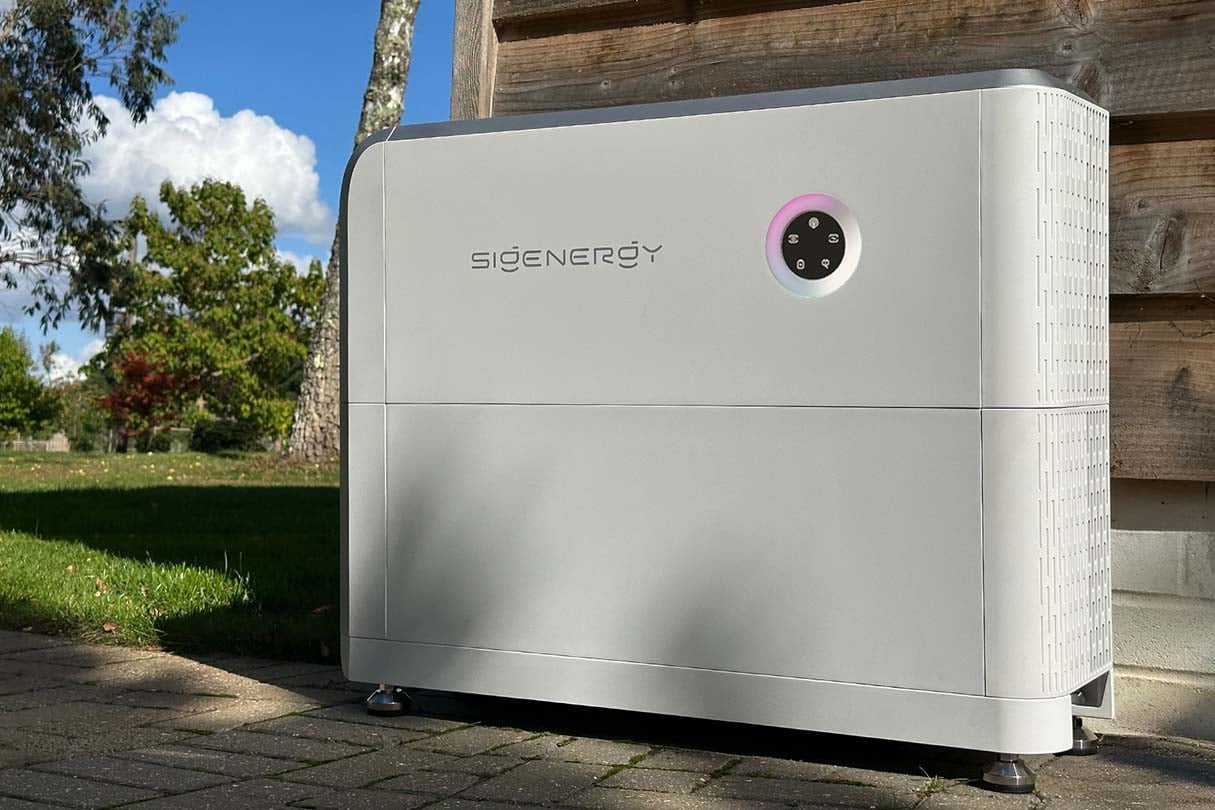
To keep the lights on, you need a battery system set up for backup. In a cut it separates your home from the grid and runs it from the battery and panels. Some batteries do this out of the box, such as EcoFlow’s PowerOcean; others, such as Sigenergy, need an extra gateway fitted. Not every battery offers backup, so if power cuts worry you, tell us at the start.
Will solar panels make my house harder to sell?
Solar is common now: the Energy Saving Trust, citing UK Government data, says there are nearly 1.7 million installations on UK homes. What buyers and their solicitors look for is paperwork. The Energy Saving Trust’s guide for buyers suggests checking the system is registered with MCS and any export tariff, that it’s included in the sale, and that export payments transfer to the new owner.
So keep your MCS certificate, warranties and handover pack together. We give you copies of everything, and our 10-year workmanship warranty transfers to the new owner if you sell.
How long do solar panels last?
The Energy Saving Trust says solar panels should last 25 years or more. The inverter, the box that turns the panels’ power into the kind your home uses, usually needs replacing after around 12 years.
The panels we fit back that up in writing: LONGi and AIKO both guarantee at least 88.85% of the original output in year 30.
Are solar panels worth it without a battery?
They can be. The payback figures above are the Energy Saving Trust’s estimates for a solar panel system with export payments. The catch is the power you don’t use. The Energy Saving Trust says you’ll typically get around 12p a unit for electricity you export through the Smart Export Guarantee, while you’d normally pay more than twice that to buy a unit. Each supplier sets its own export rate, so Ofgem advises shopping around.
Panels on their own pay best if you’re home in the day, or can run the washing machine, dishwasher or car charger while the sun’s out. A battery keeps the midday surplus for the evening instead of selling it cheaply, which is why every package we offer includes one.
Can I add a battery later?
Yes. Most existing solar systems can take a battery. An AC-coupled battery sits alongside your current inverter without touching the panels; if your inverter is getting old, a hybrid inverter that runs both can make more sense. A battery added to existing solar panels is currently 0% VAT, until 31 March 2027. See adding a battery to existing solar.
The honest summary
Solar works in the UK all year round, the North West included, just far more in summer than in winter. Most of the myths fall away once you see the numbers for your own roof. Our technical solar designer will design your system remotely and go through the forecast with you on a video call, including what a battery would add, before you decide anything.